The Art of Sound Design for Film: Crafting the Unseen Narrative
When I first stepped into a professional soundstage years ago, I realized how much of cinema happens in the dark. The picture tells a story, but the sound design for film builds the world around it. It shapes emotion, guides attention, and makes the unbelievable feel real. I have spent enough time in the L.A. post-production scene to know that the best work rarely gets noticed by the audience. That is the point. When sound is done right, viewers feel tension before they see the threat, or they sense the warmth of a memory without a single line of dialogue.
Sound design for film is not just about adding noise to a picture. It is a deliberate, layered craft that requires both technical precision and creative instinct. I have sat in edit suites where a single footstep took an afternoon to perfect. The foley artist worked on a small soundstage, recording the crunch of gravel, the rustle of fabric, and the clink of keys until each step matched the actor's gait exactly. That level of detail is what separates a flat scene from one that pulls you in. And it is the reason why professionals still reach for tools like Pro Tools, Avid's industry-standard digital audio workstation, to manage the hundreds of tracks that make up a modern film soundtrack.
Why Sound Matters More Than You Think
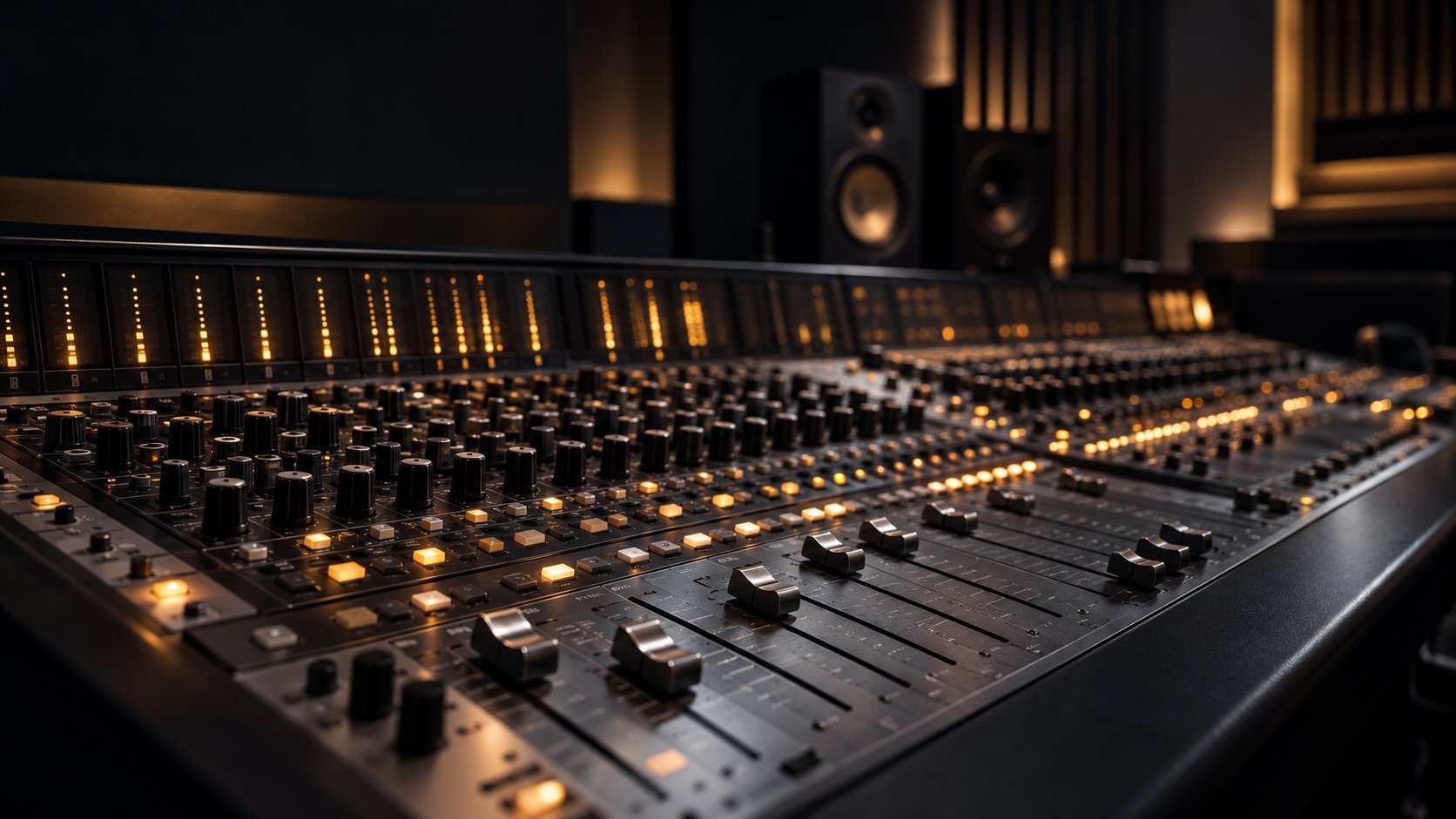
There is a common misconception that visuals carry a film. But watch your favorite thriller with the sound turned off. The jump scares fall flat. The whispered conversation loses its intimacy. The chase scene feels like a slideshow. That is because our brains process audio faster than video. A sudden change in pitch or a subtle shift in room tone tells us something is wrong before the image confirms it. This is where the re-recording mixer and the sound mixer earn their keep. They balance dialogue, music, and effects so that nothing fights for attention. In a Dolby Atmos mix, that balance extends to every speaker in the theater, placing sounds in three-dimensional space. Ambisonics and object-based audio let the sound designer place a helicopter exactly overhead or make rain fall all around the audience.
I have worked on projects where the director wanted a "quiet" scene, but quiet does not mean silent. Silence in a film is a choice, and it only works if the sound design has given the audience a reference point. Walter Murch, the legendary sound designer behind Apocalypse Now, once said that sound is a form of punctuation. It tells the viewer where to look and how to feel. His work on that film, from the helicopter rotors to the jungle sounds, redefined what sound design for film could achieve. He built entire sequences around the absence of sound, using the contrast to amplify the horror. That lesson stuck with me: sometimes the most powerful tool is knowing when to pull back.
The Tools of the Trade
Every sound designer has a favorite set of tools. For me, Pro Tools remains the backbone. It handles the heavy lifting of editing, arranging, and mixing. Avid updates it regularly, but the core workflow has stayed the same for decades. That consistency matters when you are collaborating across studios. I have sent sessions to Skywalker Sound and received them back with no compatibility issues. The industry runs on Pro Tools because it works. But the software is only part of the story. Microphones like the Sennheiser MKH 416 or the Neumann U 87 are standard for capturing clean production sound and Foley. A good foley artist can make a scene come alive with a handful of props and a well-placed microphone. I watched one artist create the sound of a spaceship door by scraping a metal trash can lid across a concrete floor. It sounded nothing like a trash can. That is the magic of Foley.
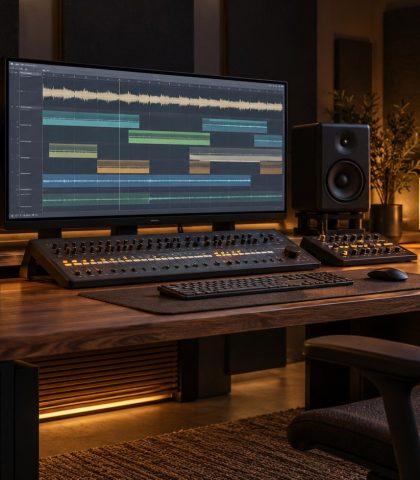
Post-production also relies heavily on plugins. iZotope's RX suite is practically essential for cleaning up dialogue and removing unwanted noise. When production sound is compromised, RX can salvage takes that would otherwise be unusable. It is not a magic wand, but it saves hours of manual editing. For mixing, I lean on iZotope's Ozone for mastering and Neutron for balancing tracks. These tools do not replace good recording practices, but they give you the flexibility to fix problems after the fact. I remember a scene where the actor's wardrobe rustled every time he moved. The production sound mixer had done his best, but the fabric noise was baked into the track. With RX, we isolated the rustle and reduced it without harming the dialogue. That kind of rescue work is common in post.
The Role of ADR and Voiceover
Not every line of dialogue makes it from the set to the final cut. When production sound is too noisy, or the performance needs a different energy, the actors come into a soundstage for ADR. Automated dialogue replacement is a delicate process. The actor must match the original performance while hitting the exact lip movements on screen. A good ADR session feels like a puzzle. I have seen actors nail a line in one take, then struggle for ten minutes on the next. The re-recording mixer blends the ADR with the original production sound so seamlessly that the audience never notices. That invisibility is the goal. Voiceover work adds another layer. A narrator's tone can anchor a documentary or give a character inner thought. The Neumann microphone captures the warmth of a voice, while the Sennheiser captures clarity. Choosing the right mic for the job matters, and experienced engineers know the difference.
Learning from the Masters
Ben Burtt is a name every sound designer knows. He created the voices of R2-D2, Chewbacca, and the lightsaber hum for Star Wars. His approach was hands-on and experimental. He combined animal sounds, mechanical noises, and synthesized tones to build something entirely new. That philosophy of layering and experimentation still drives the best sound design today. I often tell younger editors to listen to the world around them. A train crossing, a coffee machine, a refrigerator hum. All of those sounds can be repurposed and transformed into something cinematic. The key is to record them cleanly and then process them in Pro Tools. A little reverb, some pitch shifting, and a layer of low-end rumble can turn a door closing into a spaceship hatch sealing shut.
Skywalker Sound, located north of San Francisco, is a mecca for sound professionals. Their work on films like The Force Awakens and Black Panther set a high bar. But you do not need a multimillion-dollar facility to create great sound. The principles are the same whether you are working in a small home studio or a large facility in the L.A. post-production scene. Start with clean recordings. Organize your sessions so that dialogue, sound effects, and music have their own tracks. Use reference tracks to match tonal quality. And always listen on good monitors. If you cannot hear the details, you cannot fix them.
Practical Advice for Starting Out
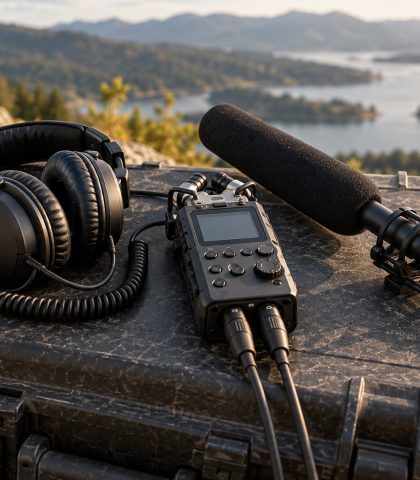
If you are new to sound design for film, I recommend a few steps. First, invest in a decent microphone. A Sennheiser or Neumann condenser will serve you well for years. Second, learn Pro Tools inside and out. It is the standard, and knowing it opens doors. Third, practice Foley. Record your own footsteps, cloth movements, and object interactions. You will develop an ear for what works. Fourth, study the work of Ben Burtt and Walter Murch. Watch their films with the sound in mind. Finally, collaborate. Join a short film project or a student production. Real projects teach you more than tutorials ever will.
Sound design is not about having the most expensive gear. It is about listening carefully and thinking creatively. The tools change, but the craft remains. Whether you are mixing in Atmos or working in stereo, the goal is the same: serve the story. That is what makes sound design for film an art form worth mastering.